
Contents
The 2026 MLB season is shaping up to be one of the most exciting in baseball history, and you can feel the change even before the first pitch. At the center of this excitement is the strike zone free download for pc, a new way of looking at balls and strikes that is unlike anything fans and players have seen before. The ABS Challenge System, or Automated Ball-Strike System, is now part of every Major League Baseball game, bringing technology directly into the heart of the sport. For the first time in over a century, human judgment is supported by precise, automated tracking, creating a level of fairness and accuracy that changes the way you watch and play the game.
This article is designed to give you a complete understanding of the strike zone game. You will learn the updated rules, how the challenge system works, and the technology behind the new strike zone. We will also explain how these changes impact player strategy, from when to use your challenges to how pitchers and catchers adjust to a system that leaves no room for guesswork. Whether you are a player, coach, or fan, understanding the strike zone game in 2026 will help you see baseball in a whole new way and appreciate the precision and strategy that the ABS Challenge System brings to every pitch.
By the end of this guide, you will know exactly how the strike zone game works, how technology ensures fairness, and how the strategies you see on the field are evolving with this historic change.
What is the Strike Zone Game?
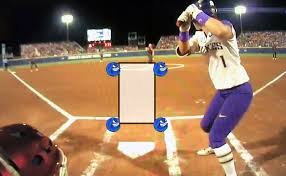
In the context of MLB 2026, the strike zone game is more than just a way to call balls and strikes. It represents a complete transformation of how baseball is played and officiated. Traditionally, every pitch was judged by a human umpire standing behind the plate, relying on experience and instinct to decide whether a pitch was a ball or a strike. In 2026, the strike zone game uses technology to bring a new level of accuracy and fairness, making every pitch measurable, trackable, and reviewable.
At the heart of this change is the ABS (Automated Ball-Strike) System. This system uses high-tech cameras, sensors, and advanced software to track the exact path of each pitch in real time. The ABS system creates a clear, digital strike zone that is tailored to each batter’s height, ensuring that calls are consistent no matter who is at the plate.
One of the most important features of this system is the auto find concept. This technology automatically identifies balls and strikes without the need for guesswork. The moment a pitch crosses the plate, the system measures its position, compares it to the defined strike zone, and provides a precise call. You no longer have to wonder if a borderline pitch was truly a strike or ball—the technology finds the answer instantly.
This represents a major shift from the traditional game, where calls were entirely human-driven. While umpires still make the initial call, the ABS allows players to challenge decisions quickly and accurately. This blend of human judgment and tech-assisted precision ensures fairness and creates a more strategic and exciting game for players and fans alike. You now experience baseball where every pitch is tracked, every call is verifiable, and the strike zone game becomes a key part of the strategy in the 2026 MLB.
How does the ABS Challenge System work?
In the strike zone game, the process of challenging a pitch is simple to understand, but it can have a major impact on the outcome of the game. Here is a step-by-step explanation of how the ABS Challenge System works and how you can use it to your advantage.
First, every pitch is still given an initial call by the umpire. The human umpire stands behind the plate and announces whether the pitch is a ball or a strike. This call is immediate and sets the starting point for the system, combining traditional baseball judgment with new technology.
Next, you need to know who can challenge a call. Only the pitcher, batter, or catcher on the field is allowed to trigger a challenge. Coaches, bench players, or other staff cannot intervene. This rule ensures that decisions are made on the field based on what you see and experience in real time.
To signal a challenge, you must act quickly. Within about two seconds of the umpire’s call, tap your hat or helmet to alert the system that you want the pitch reviewed. This challenge signal is recognized immediately by the ABS, which starts tracking the pitch for review.
Each team starts the game with two challenges per game. If your challenge is successful and the call is overturned, your team keeps the challenge and can use it again later. If the call is upheld, the challenge is counted as used. In extra innings, teams that have no remaining challenges are given one additional chance at the start of the inning, allowing you to affect critical moments late in the game.
Once a challenge is signaled, the system begins the review. High-speed cameras and sensors analyze the pitch in real time, measuring exactly where the ball crossed the strike zone. Within seconds, the umpire announces the final call based on the technology. This combination of human judgment and automated precision makes the strike zone game fair, fast, and strategic. By understanding these steps, you can make smarter decisions, save challenges for high-stakes situations, and fully experience the new dynamics of MLB 2026.
Understanding the Digital Strike Zone

In the strike zone free download for pc, the strike zone is no longer just a concept—it is a precise, measurable area that the ABS system tracks for every pitch. In 2026, the strike zone is represented as a 2D plane on home plate, which makes it easier to measure and more consistent than ever before. This change ensures that every pitch is evaluated fairly, regardless of the umpire’s angle or personal judgment.
The width of the strike zone is fixed at 17 inches, which matches the exact width of home plate. This standard measurement guarantees that all pitches crossing the plate are judged on the same horizontal scale, eliminating any uncertainty about whether a pitch is too far inside or outside.
The height of the strike zone is now calculated individually for each batter, based on their physical height. The top of the zone is set at 53.5% of the batter’s height, while the bottom is at 27% of the batter’s height. This means that taller and shorter players have a fair and proportionate strike zone, making every call consistent and unbiased.
One of the most important rules to understand is the tick rule. Even if the ball only touches the very edge of the strike zone, it counts as a strike. This ensures that borderline pitches are not ignored and that the system accurately reflects the true strike zone.
By defining the strike zone as a 2D plane with fixed width, height based on the batter, and a strict tick rule, the system guarantees fairness and consistency for every player and every pitch. You can now rely on the technology to provide precise, objective calls, making the game more transparent and strategic than ever before.
Technology Behind the Strike Zone Game
In the strike zone game, technology is at the heart of every pitch, making baseball faster, fairer, and more exciting. The system relies on Hawk-Eye cameras and advanced pitch tracking to monitor every movement of the ball. These cameras are placed around the stadium to capture multiple angles of each pitch, allowing the system to measure speed, trajectory, and exactly where the ball crosses the strike zone. With this level of detail, the system leaves no room for guesswork, giving you confidence that each call is accurate.
The data from these cameras is transmitted through a 5G network, which makes instant review possible. On average, the system can provide a final call in about 13.8 seconds, so you never have to wait long to know whether the challenge has been successful. This rapid response keeps the game flowing while still giving players a reliable way to overturn or uphold calls.
You also get visual feedback in real time. When a challenge occurs, a graphic appears on the stadium’s big screen and on TV broadcasts, showing exactly where the pitch crossed the strike zone. This transparency allows you to see the decision process for yourself and follow the action with full clarity.
A key part of the system is the auto find feature. This technology automatically detects whether a pitch is a ball or a strike as it happens. You don’t need to guess or rely on a human call—the system identifies the outcome instantly and accurately. By combining Hawk-Eye cameras, 5G instant review, and auto find pitch tracking, the strike zone game ensures that every call is fair, measurable, and fully visible to both players and fans.
Impact on Player Strategy
In the strike zone game, one of the biggest changes for players and coaches is the end of pitch framing by catchers. In previous seasons, catchers could subtly move their glove to make a pitch look like a strike, influencing the umpire’s call. With the ABS system and automated review, this technique no longer works on challenged pitches. The cameras measure exactly where the ball crosses the strike zone, ignoring any movement by the catcher. You now need to rely on skill, strategy, and timing rather than trying to trick the umpire.
Because challenges are limited, you must save them for key moments. Strategic use is critical in situations like a full count (3-2) or with the bases loaded. Using a challenge too early in the game could cost you the chance to overturn a crucial call later. Learning when to challenge requires focus, awareness, and a clear understanding of the strike zone game.
Another important rule in 2026 MLB is that no bench assistance is allowed. Players on the field must make the challenge decision themselves. You cannot look to coaches or teammates in the dugout for guidance. This puts responsibility directly in your hands and makes in-the-moment decisions a key part of game strategy.
Coaching adjustments are also evolving. Coaches now focus on preparing players to read pitches, anticipate strike zone boundaries, and manage challenges effectively. Training emphasizes mental focus and understanding when to use the ABS system rather than teaching traditional framing techniques. By adapting to these changes, you can make smarter decisions on the field, use challenges strategically, and fully leverage the strike zone game in 2026 MLB.
Benefits of the Strike Zone Game for Fans
One of the biggest benefits of the strike zone game is the clear transparency and fairness in calls. With the ABS system, every pitch is measured precisely using advanced cameras and sensors, ensuring that balls and strikes are called consistently for every player. You no longer have to worry about human error or subjective judgments influencing the game. This fairness builds trust among players, coaches, and fans, and ensures that the outcome of each play is based on skill rather than uncertainty.
The system also allows for faster reviews and reduced disputes. When a challenge is signaled, the ABS system analyzes the pitch almost instantly, usually within 13 to 14 seconds. You don’t have long delays waiting for a call to be overturned or upheld. This speed keeps the game moving smoothly, reduces arguments, and maintains the excitement on the field.
Another major improvement is the use of real-time graphics during challenges. When a pitch is reviewed, the exact location of the ball is displayed on stadium screens and TV broadcasts. You can see clearly whether it crossed the strike zone or not. This visual feedback allows fans and players to understand the decision immediately and adds a new layer of excitement to the game.
With these features, the strike zone game also drives increased engagement for stadium and TV viewers. Fans can follow every challenge in real time, see the technology in action, and appreciate the precision of each call. Whether you are watching from the stands or on television, the ABS system makes baseball more interactive, fair, and thrilling than ever before. It transforms the way you experience the game, keeping you connected to every pitch and every moment.
Challenges and Controversies
While the strike zone game brings accuracy and fairness to baseball, it has also faced some resistance from traditionalists. Many long-time fans, players, and even some umpires are used to relying on human judgment and feel that the game’s history and character are tied to these personal calls. You may hear critics argue that automated systems take away the “human element” of baseball, where split-second decisions and experience once defined the game. For those who love the classic feel of the sport, adapting to a technology-driven strike zone can take time and effort.
Another concern is technical glitches or latency. Even the most advanced systems are not completely immune to errors. Occasionally, cameras or sensors may misread a pitch, or there might be a brief delay in transmitting the data over the 5G network. While these instances are rare, they can affect the timing of a review or even lead to a disputed call. You need to understand that technology is only as reliable as its setup, and stadiums and leagues continue to monitor and improve the system to minimize these risks.
Finally, there is an ongoing debate over human judgment versus automation. Some argue that no machine can fully replace the intuition and experience of a seasoned umpire. Others point out that the ABS system reduces inconsistencies, eliminates bias, and ensures fairness across all players and teams. You can see both sides: the value of tradition and instinct, and the advantage of precise, automated measurement. The strike zone game represents a balance, combining human decision-making with technology to create a faster, fairer, and more transparent baseball experience for everyone involved.
Conclusion
The strike zone game in MLB 2026 is a historic transformation of baseball, combining technology and strategy like never before. For the first time in over a century, the calls for balls and strikes are supported by the ABS system, giving you precise, real-time measurements for every pitch. With features like auto find, the system automatically identifies whether a pitch is a ball or a strike, removing guesswork and ensuring fairness for all players, no matter their height or position.
The challenge rules add a new layer of strategy to the game. You now need to think carefully about when to use your limited challenges, whether it’s a full count, bases loaded, or another high-stakes moment. Each decision can have a major impact on the outcome, making the game more tactical and exciting than ever.
This combination of technology, rules, and strategy makes the strike zone game historic. It preserves the essence of baseball while introducing fairness, speed, and transparency that players and fans can rely on. You can see every call measured and reviewed with precision, making the game more engaging to watch and follow.
As a fan, player, or coach, you should watch, follow, and experience the new MLB 2026 season to see how the strike zone game changes the way baseball is played. From instant reviews and visual graphics to strategic use of challenges, every pitch is now part of a fast-paced, fair, and interactive experience that will keep you on the edge of your seat.
FAQs
What is the strike zone game in MLB 2026?
In MLB 2026, the strike zone game is a completely new way of calling balls and strikes, combining traditional umpire judgment with advanced technology. The system ensures fairness, accuracy, and excitement for every pitch, making the game more precise than ever before. Whether you are a player, coach, or fan, understanding how the strike zone game works will help you follow the action and appreciate the strategy behind every challenge.
How does the ABS Challenge System work?
The ABS Challenge System is at the core of this change. Every pitch is first called by the umpire as a ball or strike. If the pitcher, batter, or catcher believes the call was incorrect, they can immediately signal a challenge by tapping their hat or helmet. The ABS system then uses high-speed cameras and sensors to track the pitch and compare it to the strike zone, usually providing a final call within about 13 to 14 seconds. If the system finds the call incorrect, it is overturned; if the original call stands, it is upheld. This combination of human and technology-driven decision-making ensures that every review is fast, fair, and precise.
Who can signal a challenge in a strike zone game?
Only certain players on the field can signal a challenge in the strike zone game. Pitchers, batters, and catchers are authorized to request a review, while coaches and bench players cannot interfere. This rule puts the responsibility directly in your hands, requiring quick judgment and awareness of the game situation to use challenges effectively.
How does auto find technology track strikes and balls?
A key feature of the system is auto find technology, which automatically detects whether a pitch is a ball or a strike in real time. The system tracks the trajectory of the pitch, its speed, and its location relative to the defined strike zone. You no longer have to guess about close calls because the technology provides instant, accurate feedback for every challenge.
Does the strike zone change based on player height?
The strike zone in MLB 2026 is personalized for each player. The top and bottom of the zone are calculated based on the batter’s height, with the top set at 53.5% of their height and the bottom at 27%. This ensures that taller and shorter players have a fair strike zone that matches their size. Combined with the fixed 17-inch width of home plate, this system guarantees consistent and equitable calls for all batters.